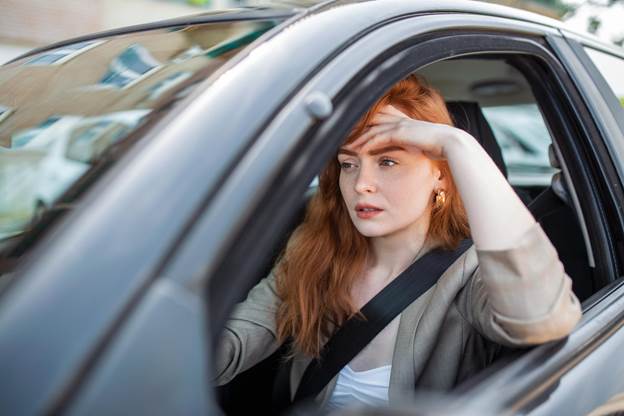
Your palms are sweaty, your mind keeps replaying every mistake you have ever made behind the wheel, and the test is still three days away. Sound familiar? Nearly every learner driver goes through some version of this, and honestly, the nerves don’t always mean you are not ready. They usually just mean you care about getting it right. If you have been searching for Nervous Driver Lessons Wicklow because the anxiety feels bigger than the actual driving, this one’s for you.
This blog walks through why test anxiety happens, what actually helps calm it down, and how proper preparation makes the biggest difference on test day.
Why The Nerves Show Up At All
Test anxiety isn’t really about driving skill. It’s about pressure. A driving test compresses months of learning into a 30-to-40-minute window where one small slip feels like it could undo everything. That’s a lot of weight for anyone to carry, and your brain reacts to it the same way it would react to any high-stakes moment. Heart rate goes up. Focus narrows. Sometimes your hands genuinely forget where the indicator is, even though you’ve used it a hundred times before.
There’s also the fact that you’re being watched and judged in real time. Most people don’t love that feeling in any context, let alone one where a stranger is deciding whether you pass or fail. It’s not weakness. It’s just biology doing its job a little too well.
What Actually Helps Before Test Day
Preparation beats hoping for the best, every time. A structured approach to Driving Test Preparation gives your brain fewer unknowns to panic about, and fewer unknowns means less room for anxiety to creep in.
A few things worth focusing on in the weeks before your test:
- Drive the actual test route (or a very similar one) more than once, at different times of day, so junctions and roundabouts stop feeling unfamiliar
- Practice the maneuvers you dread most, not the ones you’re already comfortable with, because avoidance only makes the fear bigger.
Most instructors will tell you the same thing. Confidence doesn’t come from being told you’ll be fine. It comes from doing the thing enough times that your body knows what to do without your brain having to overthink it.
Where Pre-Test Lessons Actually Matter
There’s a version of test prep that a lot of learners skip, and it’s often the piece that makes the biggest difference. Pre-Test Driving Lessons are built specifically to simulate the real thing. A mock test, run close to your actual booking date, in a car that feels familiar, with someone giving honest feedback about what still needs work.
At Rathnew Driving School, learners regularly book a pre-test lesson right before their real test, sometimes the same day. It’s not about cramming new skills in at the last minute. It’s about removing surprises. Once you’ve already sat through a full mock test, the real one starts to feel less like a threat and more like a repeat performance.
One learner who’d already failed once described coming back for a single pre-test session and passing with zero faults the second time round. That’s not a fluke. That’s what happens when the nerves get a chance to settle before the day that actually counts.
Familiarity Beats Perfection
You don’t need to drive perfectly to pass a test. You need to drive safely, calmly, and predictably. Testers aren’t looking for flawless execution; they’re checking whether you can be trusted on the road without supervision. Once that shifts in your head, from I need to be perfect to I need to be safe and steady, a lot of the pressure eases off on its own.
Calming Your Mind On The Day Itself
Physical prep only gets you halfway there. Test day nerves also need a plan. Simple breathing before you get in the car actually works, not in a vague wellness way, but because slow breathing genuinely lowers your heart rate and helps your thinking stay clear. Arriving early enough to sit in the car for a few minutes before the tester walks over also helps. Rushing in at the last second just adds another layer of stress you don’t need.
It helps to remember the tester isn’t hoping you fail. They’re not looking for a reason to catch you out. They’re simply checking whether you drive the way you were taught, calmly and within the rules. Most instructors will remind you of this repeatedly, and it’s worth actually believing it, not just hearing it.
Talking yourself through small checks out loud, like checking mirrors before a maneuver, can also keep your mind occupied with the task instead of the fear. It sounds small. It works more often than people expect.
Learning From Real Test Experiences

Local instructors who’ve coached hundreds of learners through the Wicklow test routes tend to notice patterns. Nerves usually spike hardest at roundabouts, hill starts, and reverse parking, not because these are technically harder, but because they’re the moments where learners feel most watched. Practicing these specific maneuvers until they feel boring, genuinely boring, is one of the most underrated ways to lower anxiety before test day.
Reviews from learners who’ve gone through pre-test coaching often mention the same thing repeatedly: it wasn’t new information that helped; it was the repetition and reassurance right before the test. That combination, familiarity plus calm guidance, tends to matter more than any single tip or trick.
Conclusion
Test anxiety is normal, and it doesn’t mean you’re not ready. What actually shifts the outcome is preparation that mirrors the real test, honest feedback before the day itself, and a few grounding habits that keep your nerves from taking over the moment you sit into the car. Combine solid Nervous Driver Lessons Wicklow-style coaching with a mock run through the real thing, and test day stops feeling like the unknown. Rathnew Driving School has helped learners across Rathnew, Wicklow Town, Ashford, Glenealy and the surrounding areas walk into their test calm, prepared, and ready to pass.
Frequently Asked Questions
How long before my test should I book a pre-test lesson?
Most instructors recommend booking within a few days of your actual test, sometimes even the day before, so the routes and manoeuvres feel fresh in your mind rather than something practised weeks earlier.
Can nervous drivers really improve with the right lessons?
Yes. Nervousness usually eases with repetition and honest, calm feedback rather than more theory. Structured lessons built around your specific worries tend to help far more than general practice alone.
What is the biggest cause of failing a driving test due to nerves?
Small, avoidable mistakes like missed mirror checks or hesitating at junctions are the most common, usually because nerves cause learners to rush or freeze rather than a genuine lack of skill.
Does practising the actual test route help with anxiety?
It helps enormously. Familiar roads remove one of the biggest unknowns on test day, which frees up mental space to focus on driving calmly instead of navigating somewhere new under pressure.