Test day nerves hit everyone differently. Some learners lie awake the night before running through cockpit checks in their head. Others feel calm until they spot the tester walking towards the car, clipboard in hand. Wherever you sit on that scale, good Driving Test Preparation makes the whole experience less daunting. Below, we answer the questions learners ask us most often, straight and simple, no padding.
What Happens on Driving Test Day?
Your test starts the moment you arrive, not when you get behind the wheel. The tester will greet you, check your documents, and ask you to read a number plate from a set distance. This eyesight check is non-negotiable. Fail it and the test stops there.
Once that’s done, you’ll be asked a few basic vehicle safety questions. Nothing tricky, just things like checking your brake lights or knowing where your oil dipstick is.
Then comes the driving itself, roughly 30 to 40 minutes on public roads, following the tester’s directions.
How Long Does the RSA Driving Test Take?
Most tests run for around 35 to 40 minutes, though the exact timing varies slightly between test centers. That window includes:
- The eyesight and vehicle safety check
- The actual driving portion, covering a mix of road types
- At least one reversing maneuver
- A short debrief where the tester explains your result
It moves quicker than most learners expect. Blink and you’ll be parked back at the center wondering where the time went.
What Will the Tester Check Before You Start?
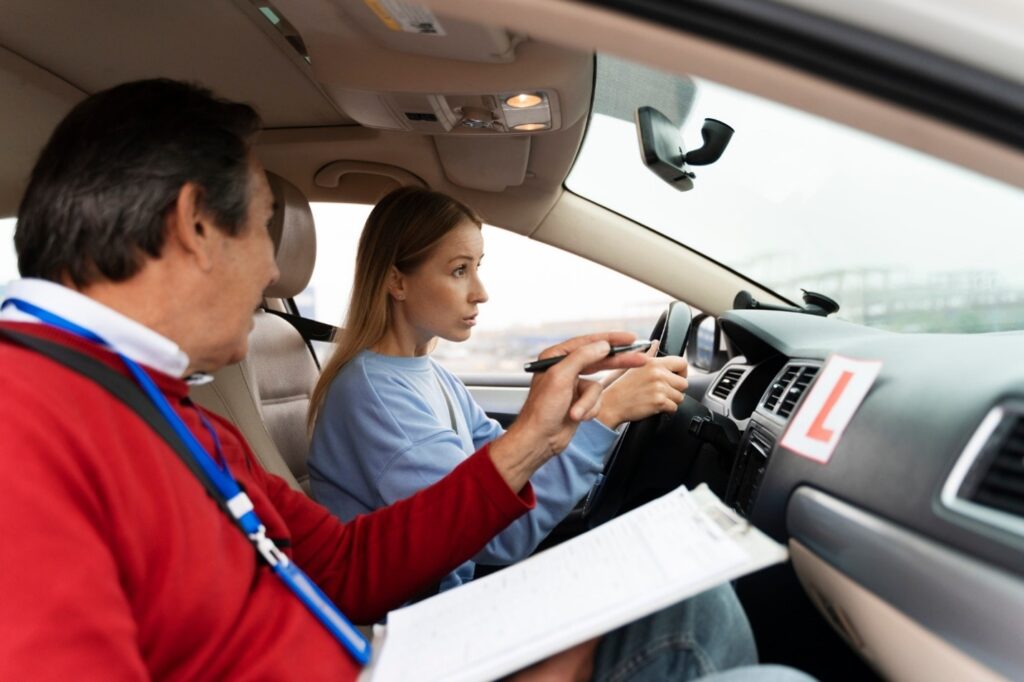
Before the engine even starts, the tester wants to see that you understand your car. They’ll ask two or three safety-related questions, chosen at random from a standard list. Typical examples include:
- How would you check your tire tread depth
- Where is your windscreen washer fluid topped up
- How do you check your indicators are working
These questions rarely trip up learners who’ve paid attention during lessons. It’s the eyesight check that catches people off guard more often, usually because they forget their glasses.
Common Maneuvers You Need to Know
Maneuvers carry real weight in the marking system. Getting comfortable with them well before your test date matters more than most learners realize.
You should expect to be asked to perform one of the following:
- Reversing around a corner, keeping close to the curb
- Turning the car around using forward and reverse gears
- Reverse parking, either kerbside or between two vehicles
Practical tip: practice these maneuvers in different locations, not just your usual estate. Testers pick roads you won’t have rehearsed a hundred times, so adaptability counts for a lot.
Why the Driving Test Center Wicklow Matters
Local knowledge shapes how ready you actually feel. The Driving Test Centre Wicklow sits near routes with roundabouts, narrow country roads, and a fair share of parked cars to navigate around. Learners who’ve only driven on wide, quiet roads sometimes struggle here purely because the environment feels unfamiliar.
Spending time on the actual roads used around your test center changes that. You start recognizing junctions, spotting where traffic tends to build up, and reading the road the way a confident driver would.
This is exactly why we encourage learners in the area to log a few hours driving those specific routes before booking their test.
How Pre-Test Driving Lessons Help You Pass

Completing your 12 EDT lessons builds the foundation. But Pre-Test Driving Lessons are where the fine-tuning happens.
These sessions focus on:
- Correcting small habits that could cost marks
- Practicing mock tests under real test conditions
- Building familiarity with local test routes
- Sharpening maneuvers until they feel automatic, not rehearsed
Many learners book a pre-test lesson within a day or two of their actual test. It’s less about learning something new and more about settling the nerves and catching anything that’s slipped.
Honestly, a single well-timed lesson right before test day often makes a bigger difference than an extra week of general practice.
Mistakes That Cause Learners to Fail
Some faults come up again and again. Knowing them in advance helps you avoid repeating them.
Common ones include:
- Poor observation at junctions, particularly checking mirrors before changing direction
- Hesitating too long at roundabouts, which can read as a lack of confidence
- Incorrect positioning on the road, especially around bends
- Rushing maneuvers instead of taking the time to check surroundings properly
- Stalling repeatedly under pressure, rather than staying composed and resetting
None of these are unusual. Every experienced driver has made most of them at some point while learning. The goal isn’t perfection; it’s showing the tester you drive safely and think ahead.
Tips for Calming Nerves Before Your Test
Nerves affect concentration more than people admit. A racing mind leads to missed mirror checks and rushed decisions.
A few things that genuinely help:
- Arrive 15 minutes early, not rushed and not too early either
- Avoid heavy caffeine beforehand if it makes you jittery
- Do a short warm-up drive if time allows
- Remind yourself the tester wants you to pass, not fail
Confidence tends to build gradually through repetition, not through one perfect lesson. Trust the preparation you’ve already put in.
Conclusion
Test day does not need to feel overwhelming once you know what’s coming. Understanding the format, practicing the maneuvers, and getting familiar with local roads all add up to steadier nerves and safer driving. At Rathnew Driving School, we focus on exactly that: calm, structured preparation that gets learners test-ready without unnecessary pressure, one lesson at a time.
Frequently Asked Questions
1. How many lessons do I need before attempting my driving test?
Most learners complete the full 12 EDT lessons before attempting their test, though additional Pre-Test Driving Lessons are often recommended for those wanting extra confidence around manoeuvres and local routes.
2. Can I choose which Driving Test Centre Wicklow location I attend?
Test centre allocation depends on your registered address and availability. It’s worth confirming your assigned centre early so your Driving Test Preparation can include practice on relevant local roads.
3. What should I bring on the day of my test?
Bring your learner permit, appointment letter, and glasses if you wear them for driving. Forgetting these can result in your test being cancelled.
4. Is it normal to fail on the first attempt?
Yes, it’s common. Many learners pass on their second attempt after targeted Pre-Test Driving Lessons addressing the specific faults noted the first time round.