Walking into a driving test center for the first time feels different from anything else you’ve done behind the wheel. No instructor is sitting beside you offering quiet reassurance, just you, the examiner, and a clipboard. Understanding what actually happens at the Driving Test Center Wicklow can take a lot of that uncertainty off your shoulders before you even turn the key.
We’ve put together this blog to walk you through the process from arrival to result, so nothing on test day comes as a surprise.
Where Is the Wicklow Driving Test Center?
The Wicklow test center operates from the Murrough, just outside Wicklow Town. It’s a modest, functional building, nothing dramatic about it. Test routes run through the surrounding roads, covering a mix of town driving, roundabouts, and quieter rural stretches.
Learners often underestimate how much local road knowledge matters here. Junctions have their own quirks, and some roundabouts catch people out simply because they haven’t driven them enough times to feel natural on them.
Before You Arrive: What to Bring
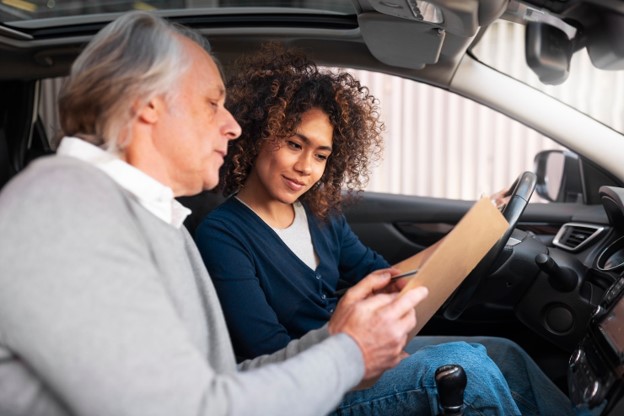
Missing a document is one of the most avoidable ways to lose a test slot. Arrive at least fifteen minutes early and bring the following:
- Your learner permit (must be valid, not expired)
- A form of photo identification
- Your car’s NCT certificate, if applicable
- Valid insurance disc and tax disc
- A car that meets RSA safety requirements, including a properly functioning handbrake and seatbelt
We’ve seen candidates turn up with everything ready except one small thing: an out-of-date disc, a permit tucked away at home, and it costs them the test entirely. Double-check the night before, not the morning of.
Step-by-Step: What Happens During the Test
Once you’re checked in, the examiner will call your name and walk out to the car with you. The whole process typically runs close to forty minutes.
The Eyesight and Vehicle Check
Before anything else, you’ll be asked to read a number plate from a set distance. The examiner will also glance over a couple of basic safety checks, things like brake lights or indicators.
The Driving Portion
You’ll be directed through a set route using simple instructions, left here, straight on there. Examiners aren’t trying to trick you. They’re watching how you handle ordinary situations: junctions, lane changes, speed control, and awareness of other road users.
Reversing and Maneuvers
At some stage, you’ll be asked to perform a reversing exercise, often around a corner or into a parking space. Precision matters more than speed here.
The Verbal Questions
Near the end, expect a couple of questions on the Rules of the Road or basic vehicle safety checks. These aren’t designed to catch you out, but genuine gaps in knowledge do show.
Common Mistakes First-Timers Make
A pattern shows up again and again with nervous first-timers, and most of it comes down to small, fixable habits rather than a lack of driving ability.
- Rolling stops at junctions instead of a full, clear stop
- Checking mirrors too late, or forgetting the shoulder check entirely
- Hesitating too long at roundabouts, which can read as indecisive
- Sitting too rigidly, which affects smooth steering and control
- Rushing maneuvers under pressure instead of taking the extra few seconds needed
None of these are dramatic errors. They’re the kind of thing that Driving Test Preparation is specifically designed to smooth out before test day arrives.
How Pre-Test Driving Lessons Help You Prepare
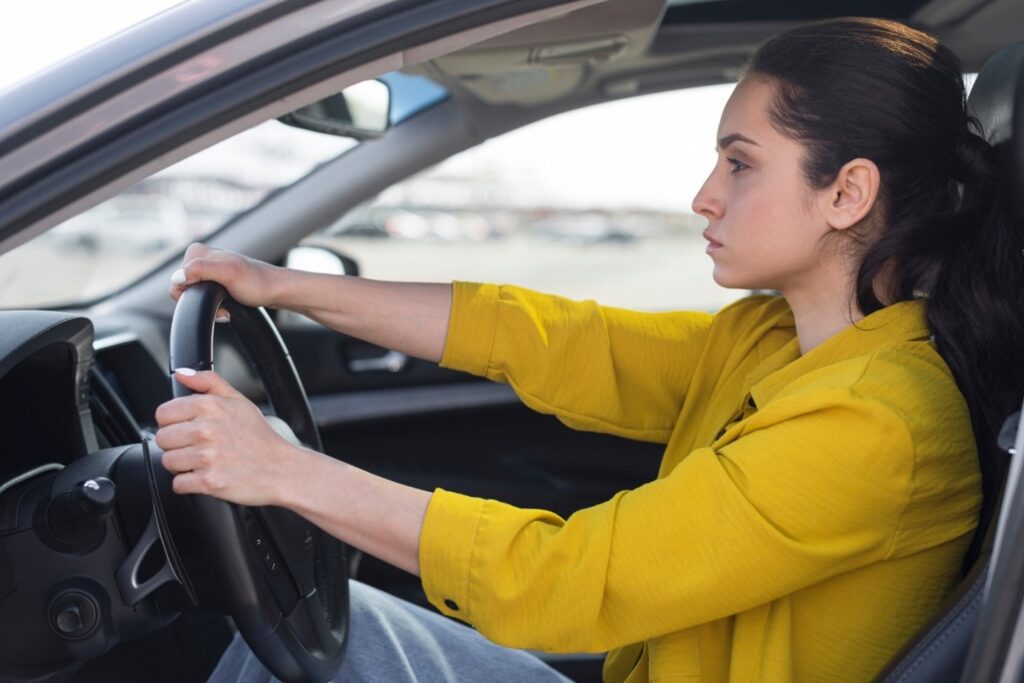
There’s a real difference between knowing how to drive and knowing how to drive a specific test route under test conditions. That’s where Pre-Test Driving Lessons earn their value.
A focused pre-test lesson usually covers:
- Route familiarity – driving the actual roads used by the Wicklow center, not just similar ones
- Mock test conditions – simulating the exact structure of the real assessment
- Fault correction – identifying specific habits before an examiner does
- Confidence building – reducing the nerves that cause otherwise capable drivers to slip up
We find that even one or two of these lessons close to the test date can shift a shaky, uncertain driver into someone calm and ready. It isn’t about learning new skills at the last minute. It’s about sharpening what’s already there.
After the Test: What Comes Next
The examiner will deliver your result on the spot, along with a short explanation either way. If you pass, congratulations, you’re free to drive unaccompanied from that moment. If you don’t, you’ll receive a report outlining exactly what to work on.
A second attempt often goes better simply because the unknown parts of the process are gone. You know the room, the route style, and the pace of it all.
What Examiners Are Really Looking For
Nerves tend to make people imagine the examiner as an adversary, someone waiting to catch a wrong move and mark it down. That’s not quite how it works. Examiners are trained to assess whether you can drive safely and independently, not whether you’re perfect. A slightly wide turn or a moment of hesitation rarely fails anyone on its own.
What matters more is the overall pattern: are you reading the road, reacting sensibly, and keeping yourself and others safe throughout the drive? Candidates who understand this tend to relax a little, and that shift in mindset often shows in smoother, steadier driving. Treating the test as a demonstration of everyday competence, rather than a performance under a microscope, changes the whole feel of the drive.
Conclusion
A test center only feels intimidating the first time. Once you understand the structure, the documents, and the route style, most of that pressure eases off naturally. Good preparation, paired with real route knowledge, changes how test day feels from start to finish. At Rathnew Driving School, our lessons are built around exactly this kind of readiness, so learners walk in knowing what to expect rather than hoping for the best.
Frequently Asked Questions
1. How early should I arrive at the Wicklow driving test centre?
Arrive at least fifteen minutes before your scheduled time to allow for document checks and settling in.
2. What documents are required for the driving test in Wicklow?
You’ll need a valid learner permit, photo ID, NCT certificate if applicable, and current insurance and tax discs for the vehicle.
3. How long does the driving test usually take?
Most tests run for around thirty-five to forty minutes, including the eyesight check, driving portion, and verbal questions.
4. Do pre-test lessons actually improve my chances of passing?
Practising the actual test route and mock conditions helps identify small faults early and builds the confidence needed to stay calm on the day.